
History Of Parsippany
History of Parsippany
Discover the rich heritage of Parsippany-Troy Hills
In the late 1600s, land speculators began buying up large plots of acreage. By 1700, the first settlers arrived, drawn by the area's timber, wildlife, and natural water power.
The first simple houses were built along this road, which follows an original Native American trail. It is the second oldest road in the township.
Now known as Route 10, this is the oldest road in the area.
In 1739, Morris County was officially formed. By 1745, the population had grown to over 4,400 people, and local industry was taking off.
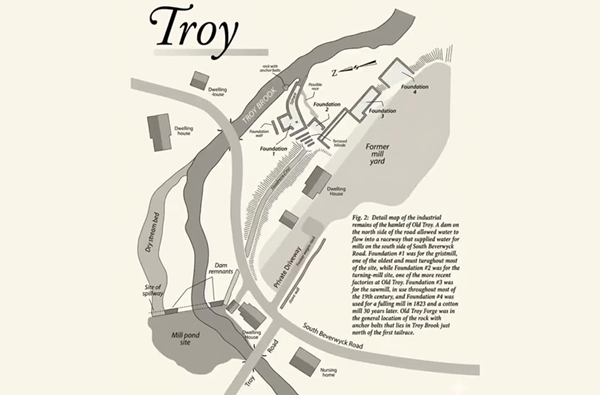
The small village of Troy grew and thrived because of its access to the Troy Brook (formerly known as the Parsippany Brook). The South Beverwyck Road Bridge now crosses this historic waterway, which once provided the essential energy needed for the area's first industries.
- Parsippany Historical Society - Preserving and sharing the township's rich history
- Beverwyck Road - One of the oldest roads in Morris County
- Troy Meadow Historic District - Listed on the National Register of Historic Places
- Lake Parsippany - A historic recreational area dating back to the early 1900s
Parsippany-Troy Hills was officially incorporated in 1928, combining the villages of Parsippany and Troy Hills.
The area was once a major hub for iron mining and manufacturing during the Industrial Revolution.
Parsippany is home to over 20 parks and preserves, preserving the natural beauty that attracted early settlers.